Regenerative Medicine Institute
Discovery. Design. Translation. Reimagining what’s possible in medicine.
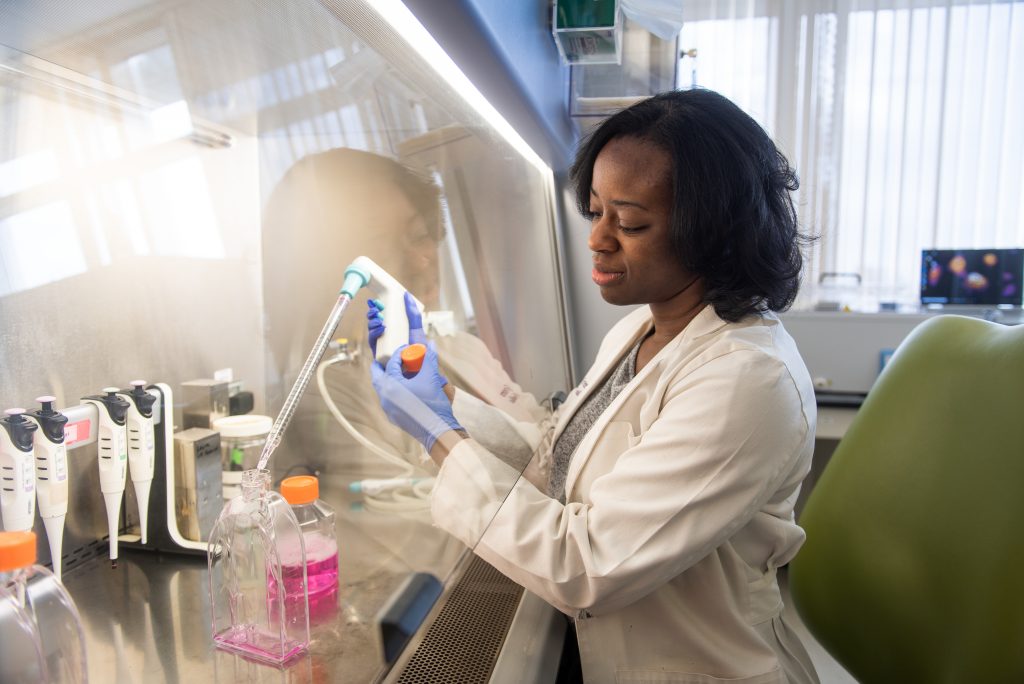
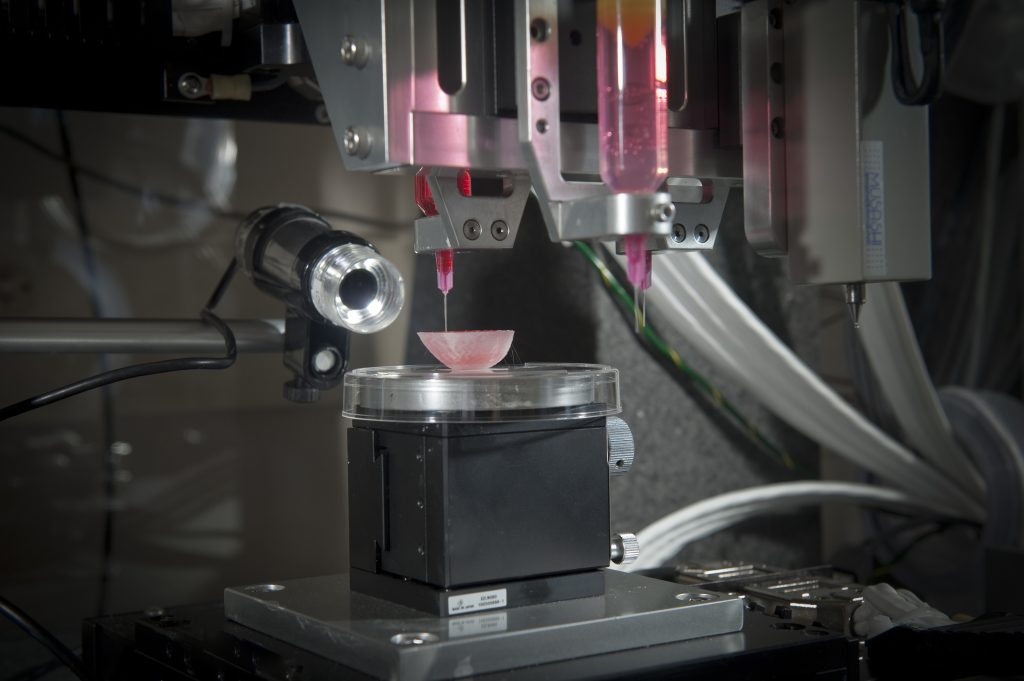
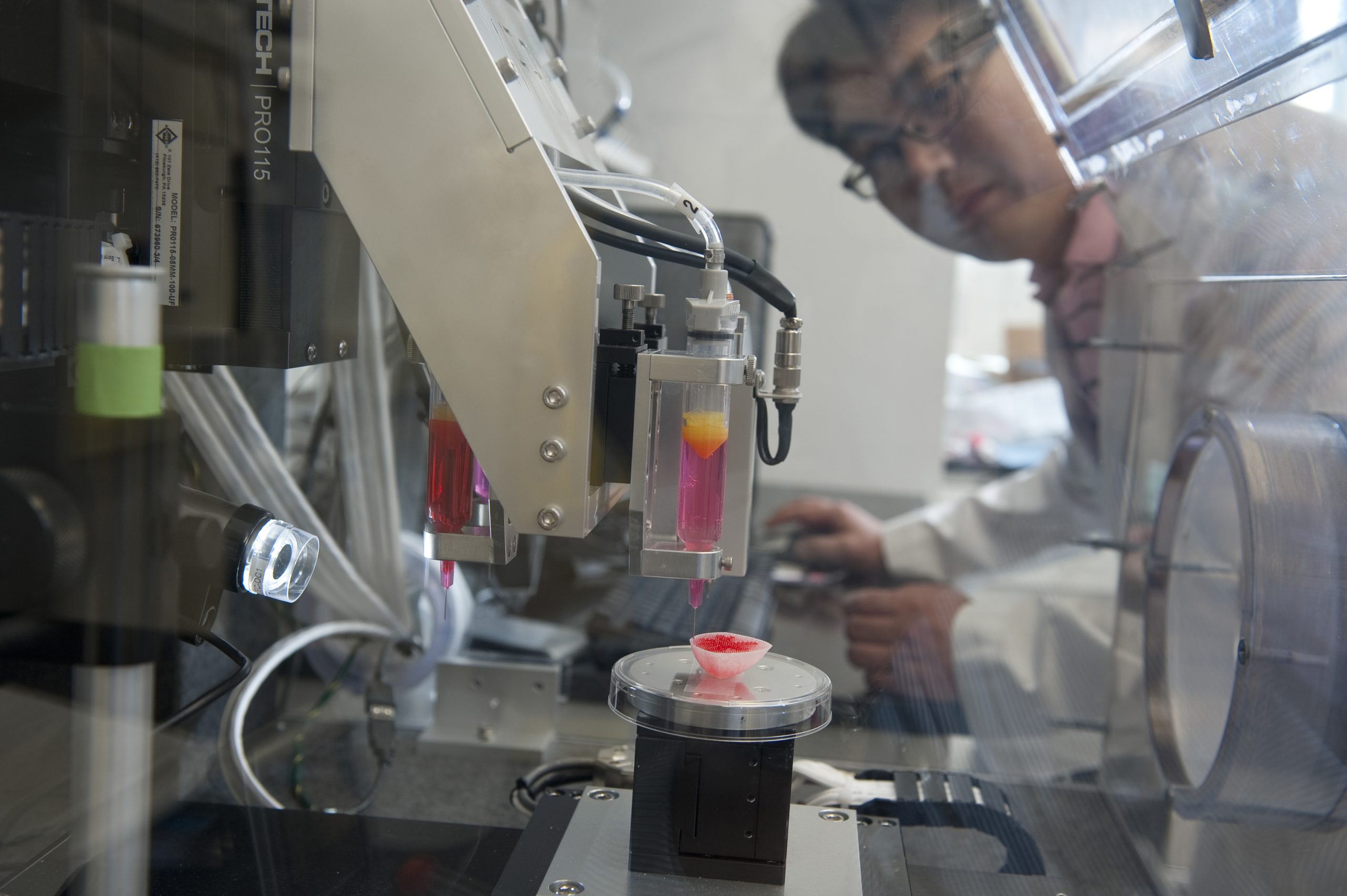
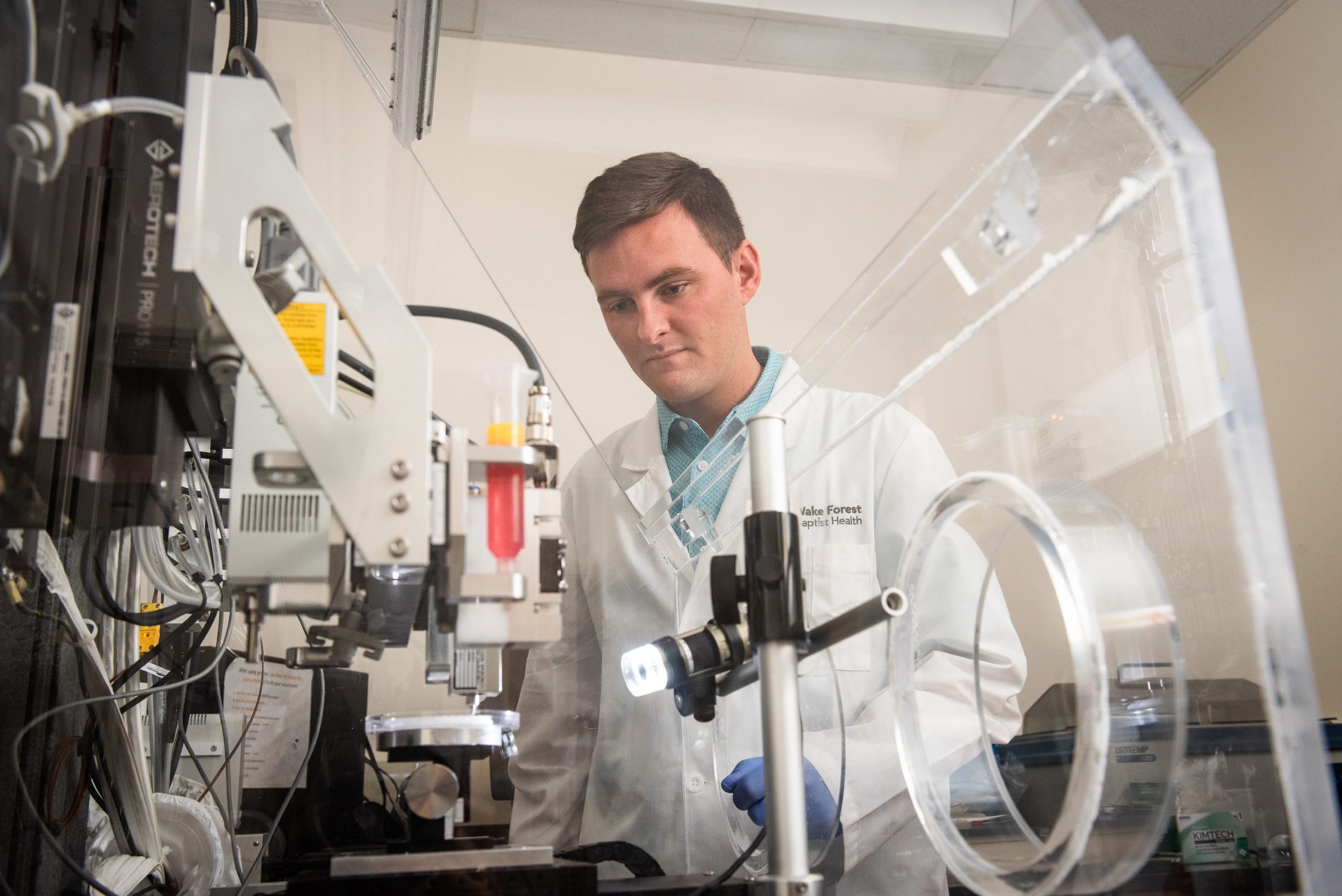
Regenerative medicine is revolutionizing how we understand, treat, and heal the human body – pushing the boundaries of science and technology to create solutions once thought impossible. At the Regenerative Medicine Institute, high school students will explore how biology, engineering, and innovation converge to repair, replace, and regenerate tissues and organs, while advancing new frontiers in health and technology.
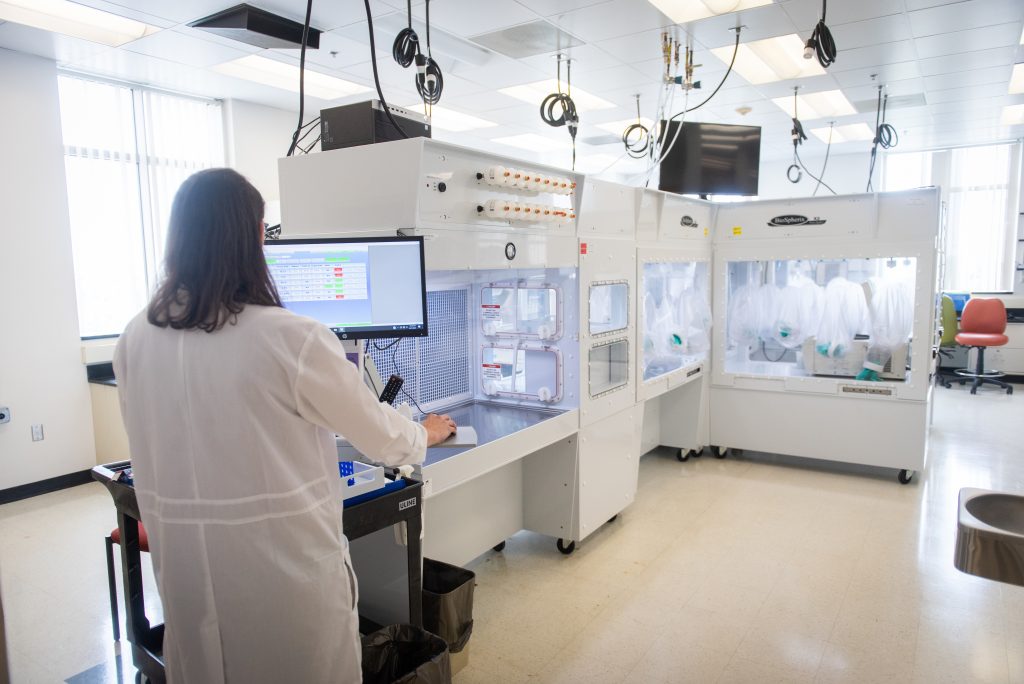
Through hands-on activities, interactive labs, and direct engagement with researchers and graduate students from the Wake Forest Institute for Regenerative Medicine (WFIRM) and the NSF Regenerative Medicine Engine in North Carolina, participants will experience the full spectrum of regenerative medicine. Students will investigate stem cells, biomaterials, tissue engineering, and enabling technologies, as well as emerging areas such as organ-on-a-chip systems, biomanufacturing, regenerative medicine in space, and the role of artificial intelligence in accelerating discovery and clinical translation.
This immersive experience empowers students to envision themselves as future innovators – exploring cutting-edge research, discovering diverse career pathways, and understanding how breakthroughs move from the lab bench to real-world applications that transform lives.
At a Glance
2026 Dates: Week of July 5 – 10*
*The Regenerative Medicine Institute has implemented a waitlist. Students may still register for the waitlist once admitted or choose to register for a similar institute.
Program Length: Sunday – Friday, overnight
Who Can Apply?: Current 9th – 12th grade students
Tuition: $3,500
*Tuition is subject to change per year
Location: Winston-Salem, NC – Wake Forest University Reynolda Campus
**Courses carry no secondary school or college credit. Upon completion of the program, an official Wake Forest University Certificate of Completion will be awarded to all Regenerative Medicine Institute participants.
What You’ll Experience
Topics Covered:
- Regenerative Medicine Fundamentals
- Stem Cells and Progenitor Cells
- Biomaterials and Tissue Engineering
- Enabling Technologies and Biomanufacturing
- Disease Applications (Cancer, Cardiovascular, Metabolic Disorders)
- Regenerative Medicine in Space and Extreme Environments
- Career Pathways in Regenerative Medicine and Biomedical Science
Hands-On Experiences:
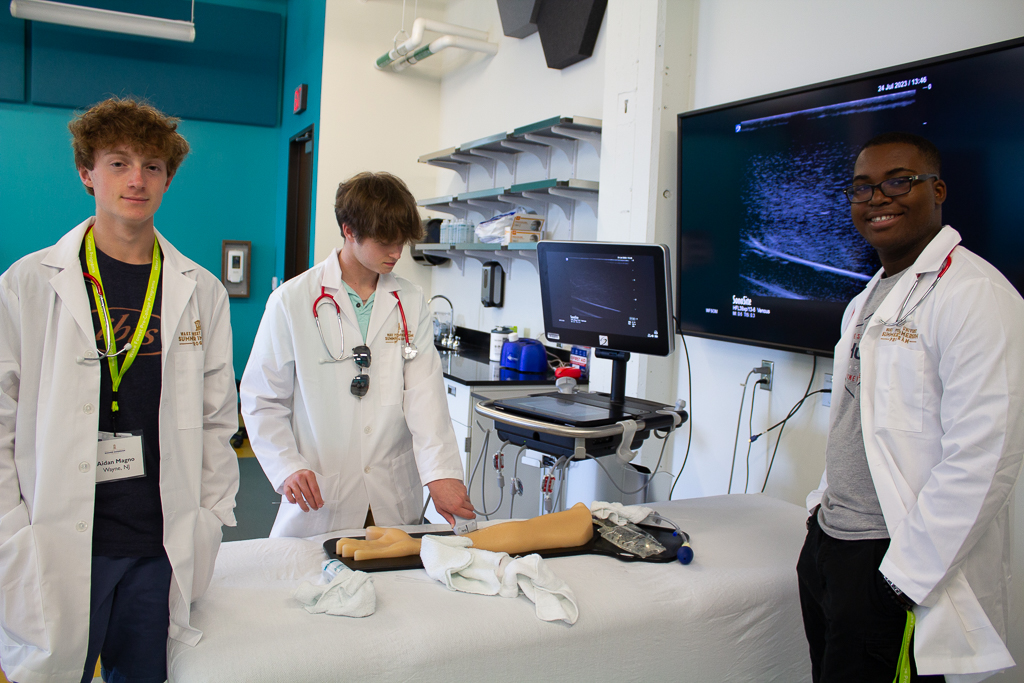
- Stem cell and tissue engineering simulations
- Biomaterials design and testing challenges
- Regenerative medicine technology demonstrations
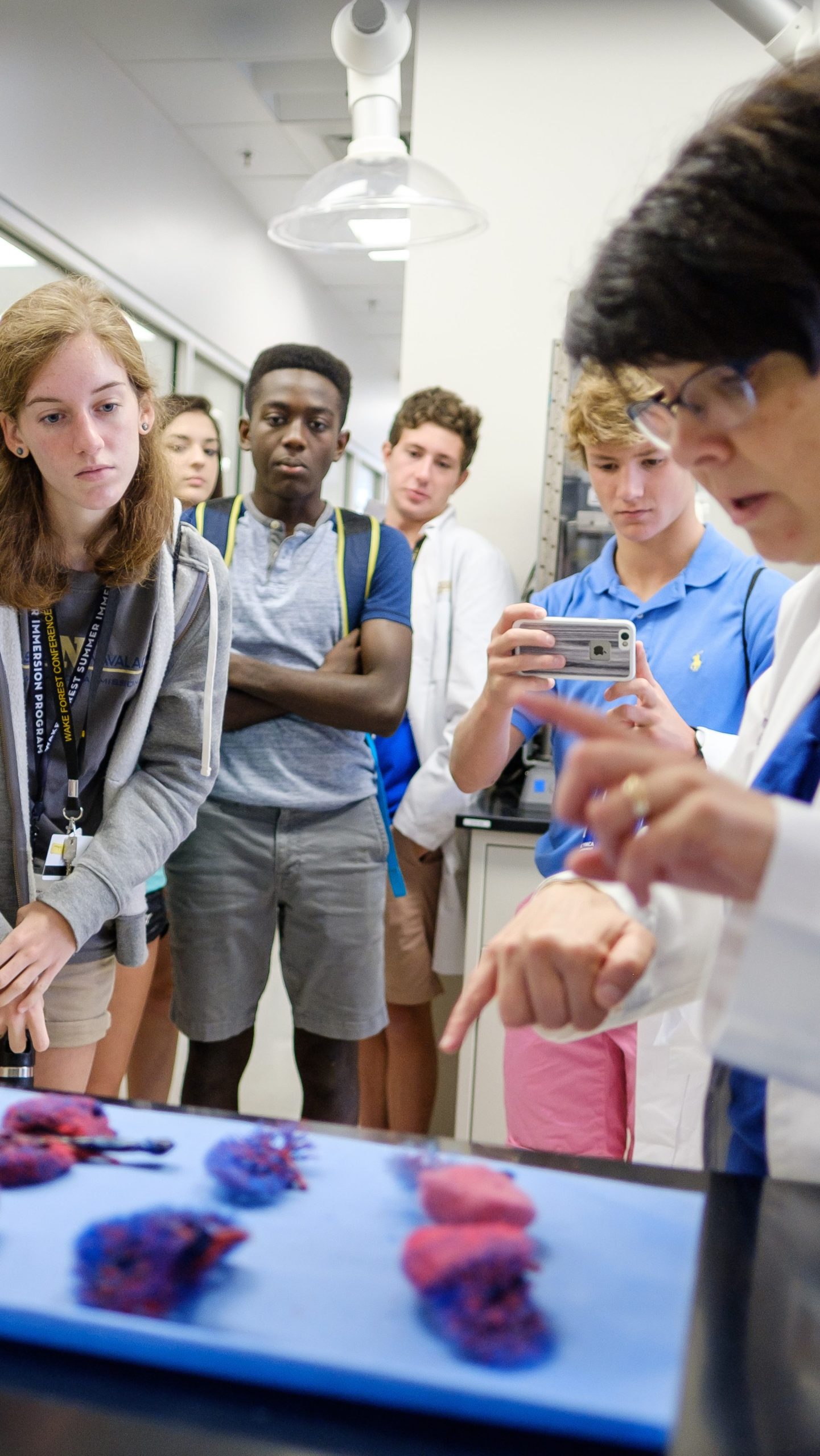
- Lab rotations and site visits at WFIRM
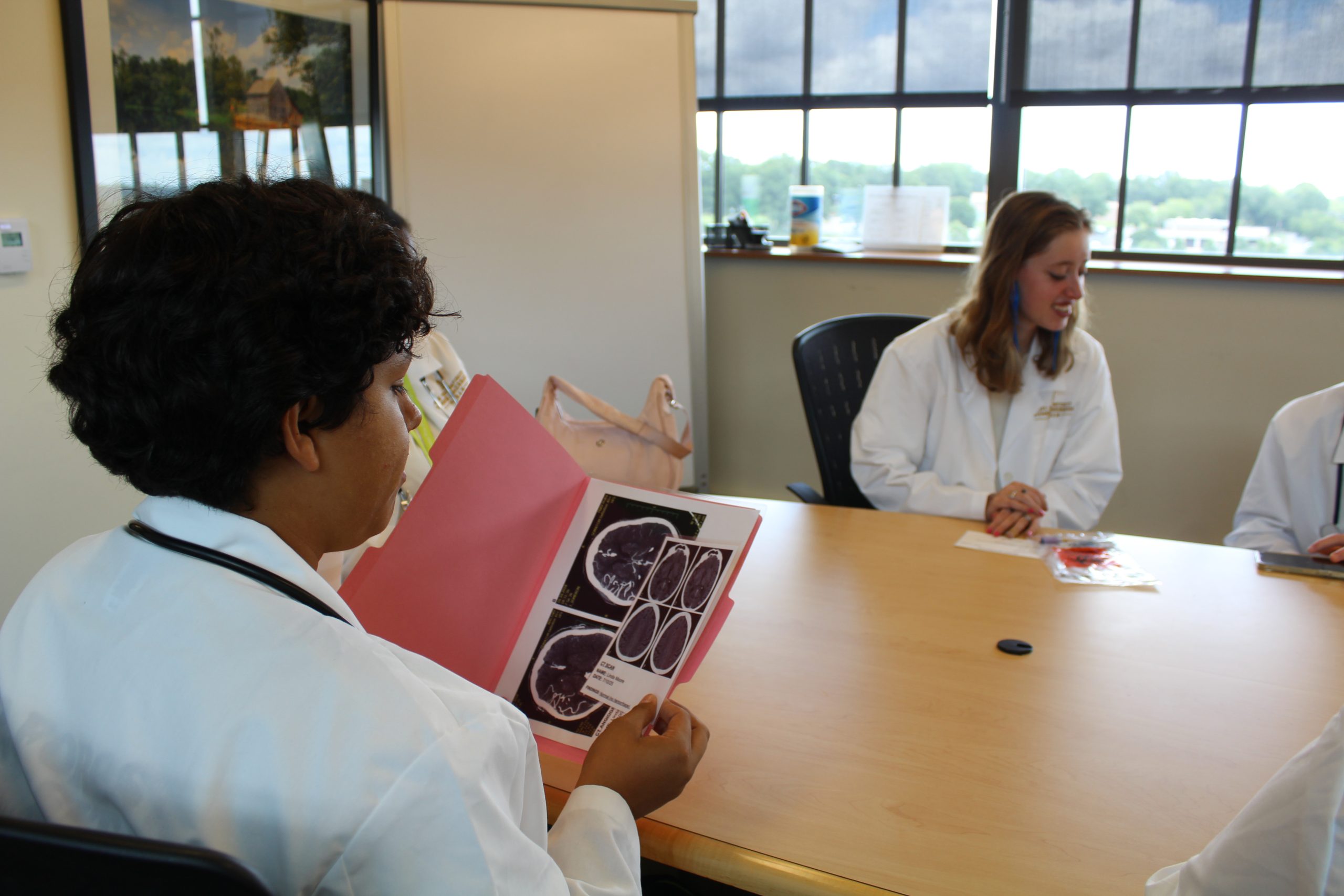
- Research design and problem-solving activities
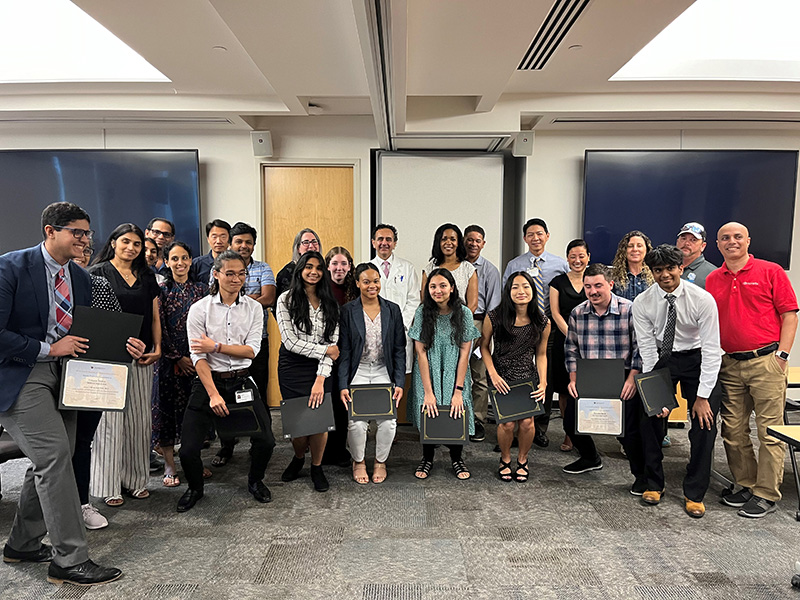
- Student research symposium and presentations
*Hands-on experiences are subject to change.
A Day in the Life
Typical Daily Schedule
- 8:00 am – Morning Check-In & Breakfast
- 9:00 am – Welcome & Regenerative Medicine Foundations
- 10:00 am – Hands-On Lab: Stem Cells & Cellular Decision-Making
- 11:30 am – Biomaterials Design Challenge
- 12:30 pm – Lunch with WFIRM Graduate Students and Researchers
- 1:30 pm – Guest Speaker: Translating Research to Medical Impact
- 2:15 pm – Enabling Technologies Lab Rotations
- 3:45 pm – Team Synthesis & Case Study Discussion
- 4:30 pm – Reflection and Preview of the Next Day
- 5:30 pm – Dinner
- 6:30 pm – Evening Activities
- 7:30 pm – Free Time
- 9:00 pm – Prepare for Bed
- 10:00 pm – Lights Out
*The “A Day in the Life” sample schedule is subject to change.
Meet the Graduate Instructors
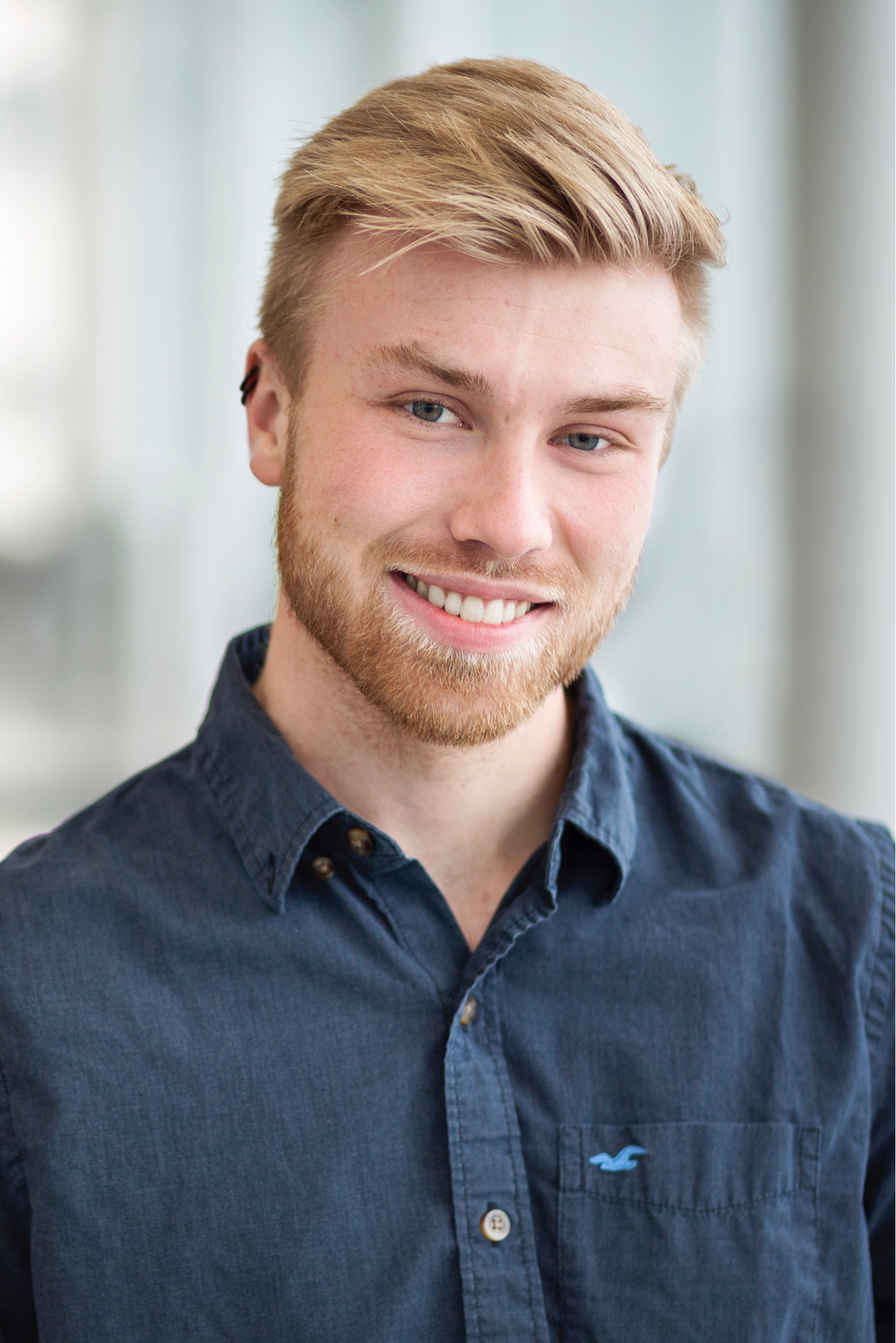
Nate Barney
Graduate Instructor, Regenerative Medicine Institute
Nate Barney is a second year Biomedical Engineering Master’s student in the lab of Dr. James Yoo MD, PhD at WFIRM. He received his B.S. in Biological Engineering from Utah State University in 2020 while conducting undergraduate research creating an in vitro model of the human retina under Dr. Elizabeth Vargis PhD. After graduation, Nate worked as a histotechnologist at Myriad Genetics in a pathology laboratory specializing in oncology. He later spent two years as a wilderness adventure guide supporting therapists at Second Nature Family Therapy. Currently, Nate is working on conditioning 3D bioprinted renal constructs using a bioreactor platform he created. He is also working on the NASA project with WFIRM and has sent 3D printed liver tissue to the ISS. His research interests include tissue engineering and regenerative medicine specifically for the kidney and the eye.
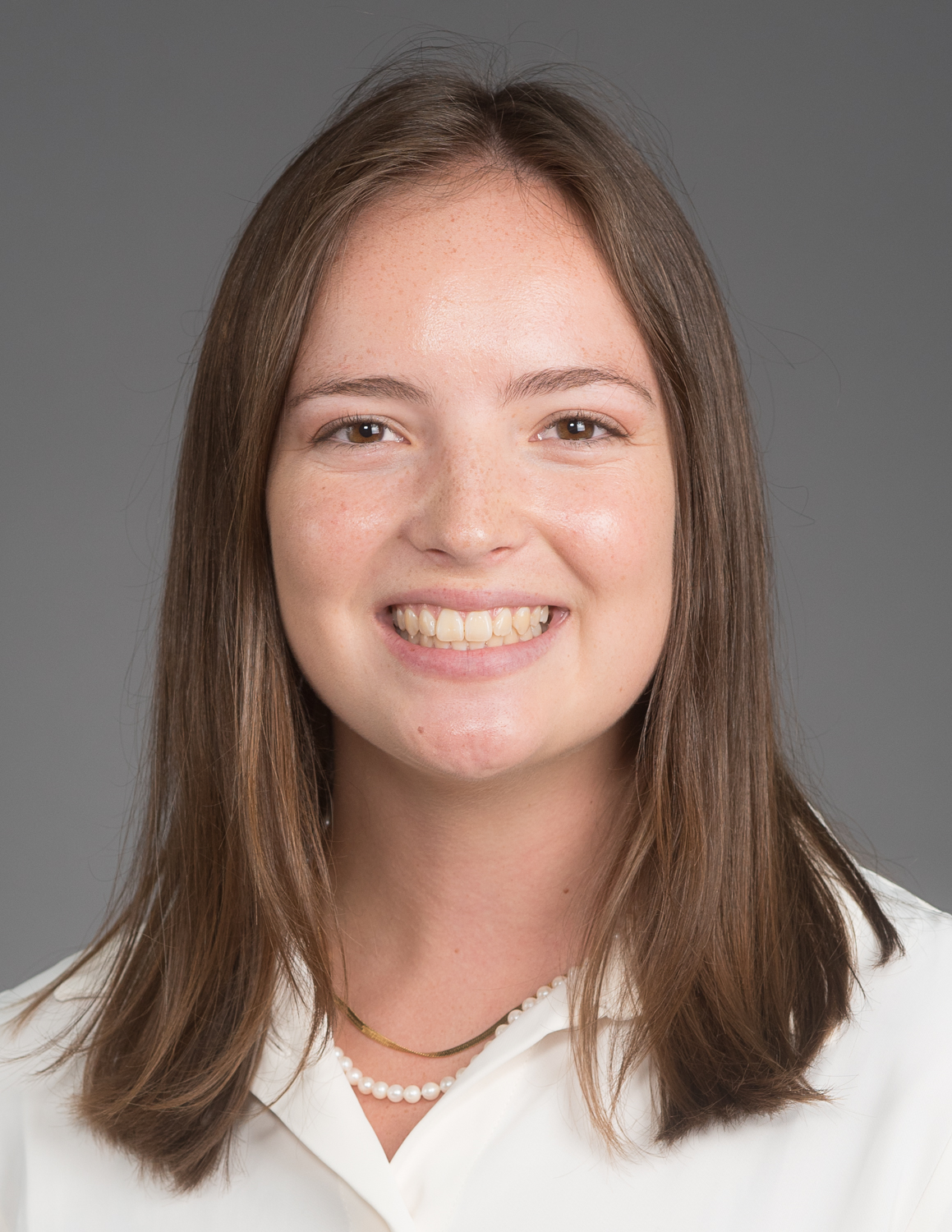
Jordis Blackburn
Graduate Instructor, Regenerative Medicine Institute
Jordis Blackburn is a PhD student in Biomedical Engineering at Wake Forest University. She is exploring how to model the effects of toxic inhalation using innovative lung tissue systems. Jordis is passionate about using science to make a difference, especially for communities like veterans who have faced harmful exposures. She hopes her work will lead to lasting improvements in health and safety for those most at risk.
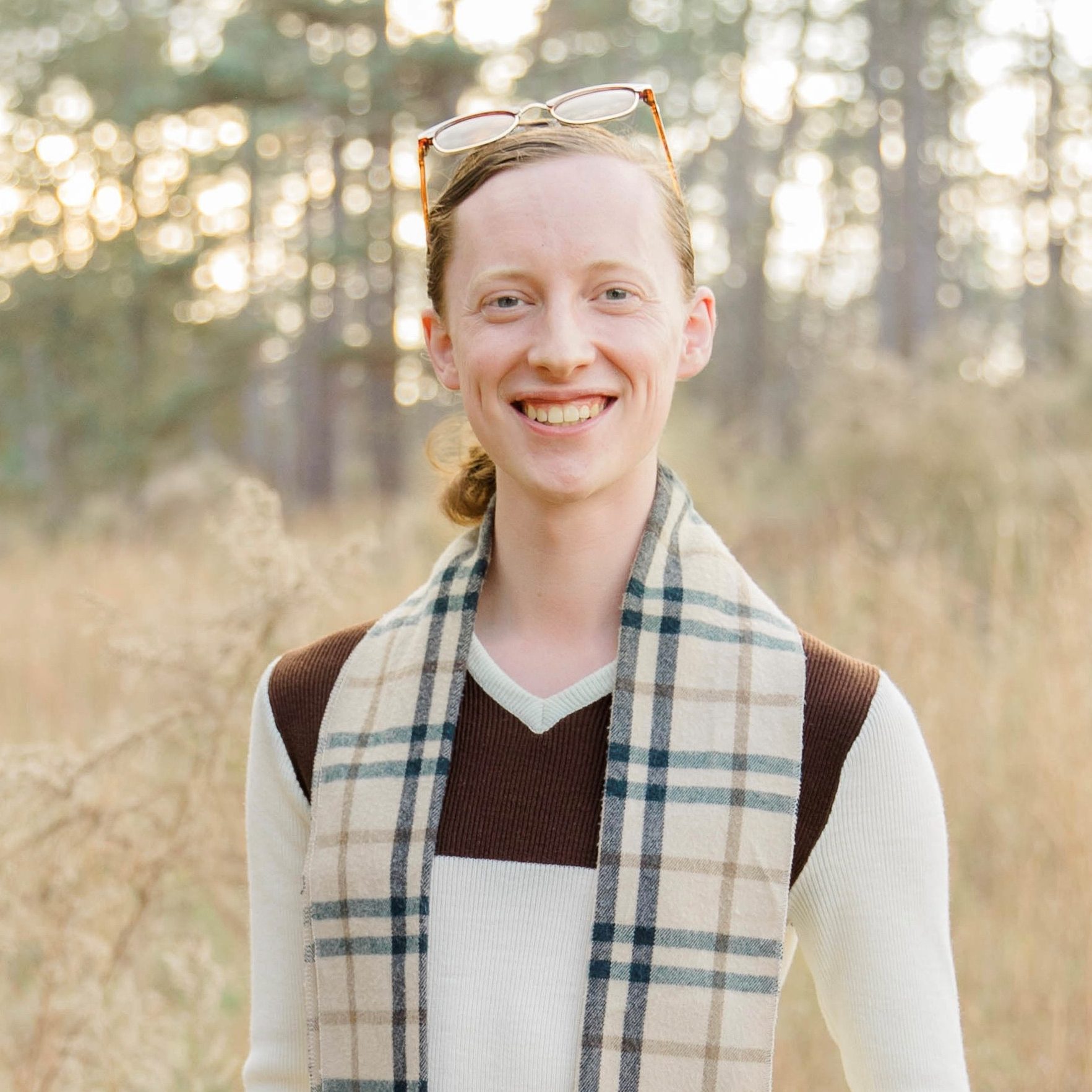
Caleb Heathershaw
Graduate Instructor, Regenerative Medicine Institute
Caleb is a PhD student at the Wake Forest Institute for Regenerative Medicine who spends his time in the lab creating organoids (tiny balls of human cells) for studying heart attacks. After receiving his Bachelors of Science in Biomedical Engineering at the University of Miami, Caleb joined the lab of Dr. Joshua Maxwell to study stem cell-based therapies for cardiovascular disease and investigate the role of immune cells in heart attack repair. In addition to his research, he enjoys teaching as adjunct faculty at Salem College, collecting rare books, and raising an adorable family of Lepidodactylus lugubris.
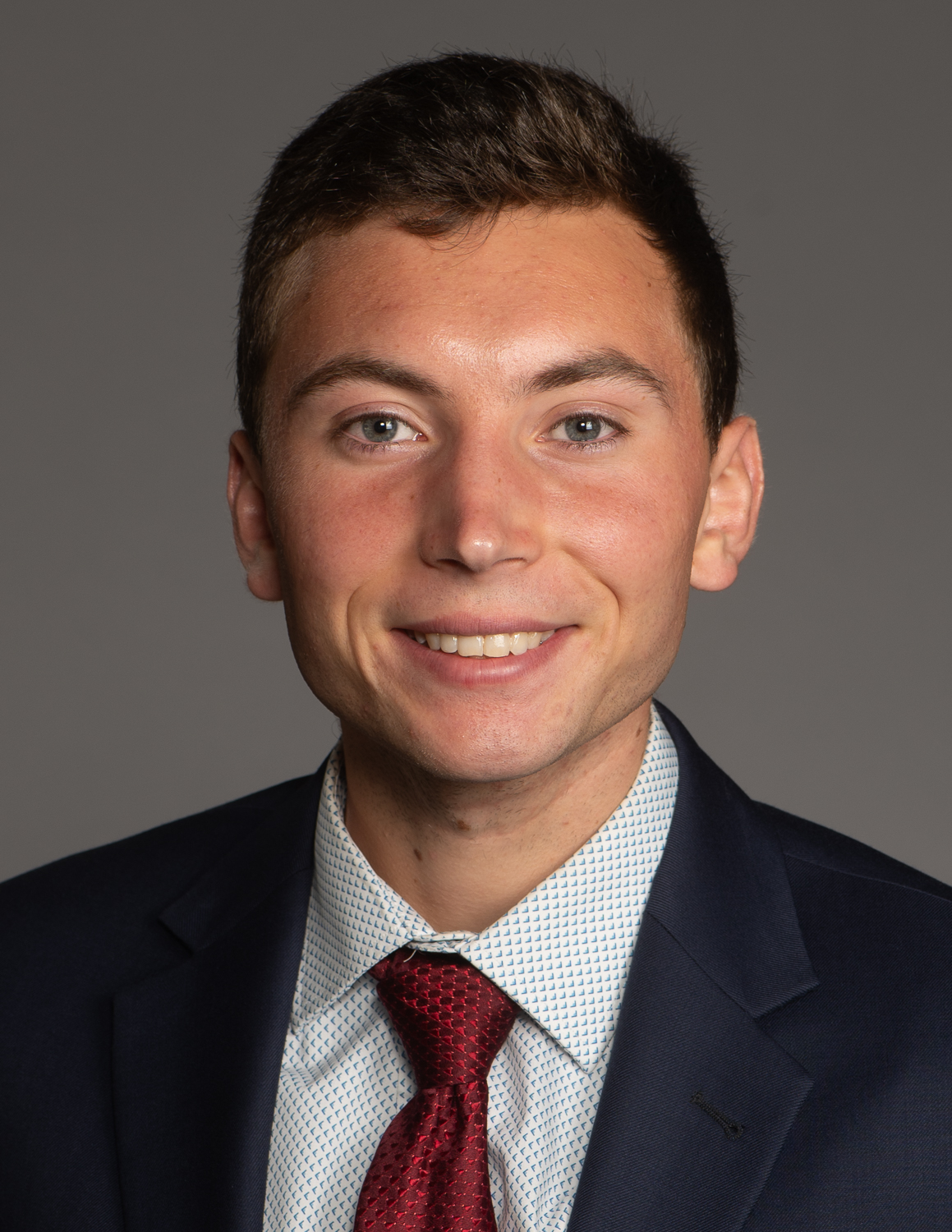
Adam Jones
Graduate Instructor, Regenerative Medicine Institute
Adam is a PhD student in Biomedical Engineering at the Virginia Tech – Wake Forest University School of Biomedical Engineering and Sciences. He is interested in finding cell-based treatments for type 1 diabetes to restore endogenous insulin production. Specifically, he is interested in engineering approaches to improve blood vessel infiltration of transplanted insulin-producing cells, a critical step in ensuring this treatment remains functional long-term in the patient.
Elsa King
Graduate Instructor, Regenerative Medicine Institute
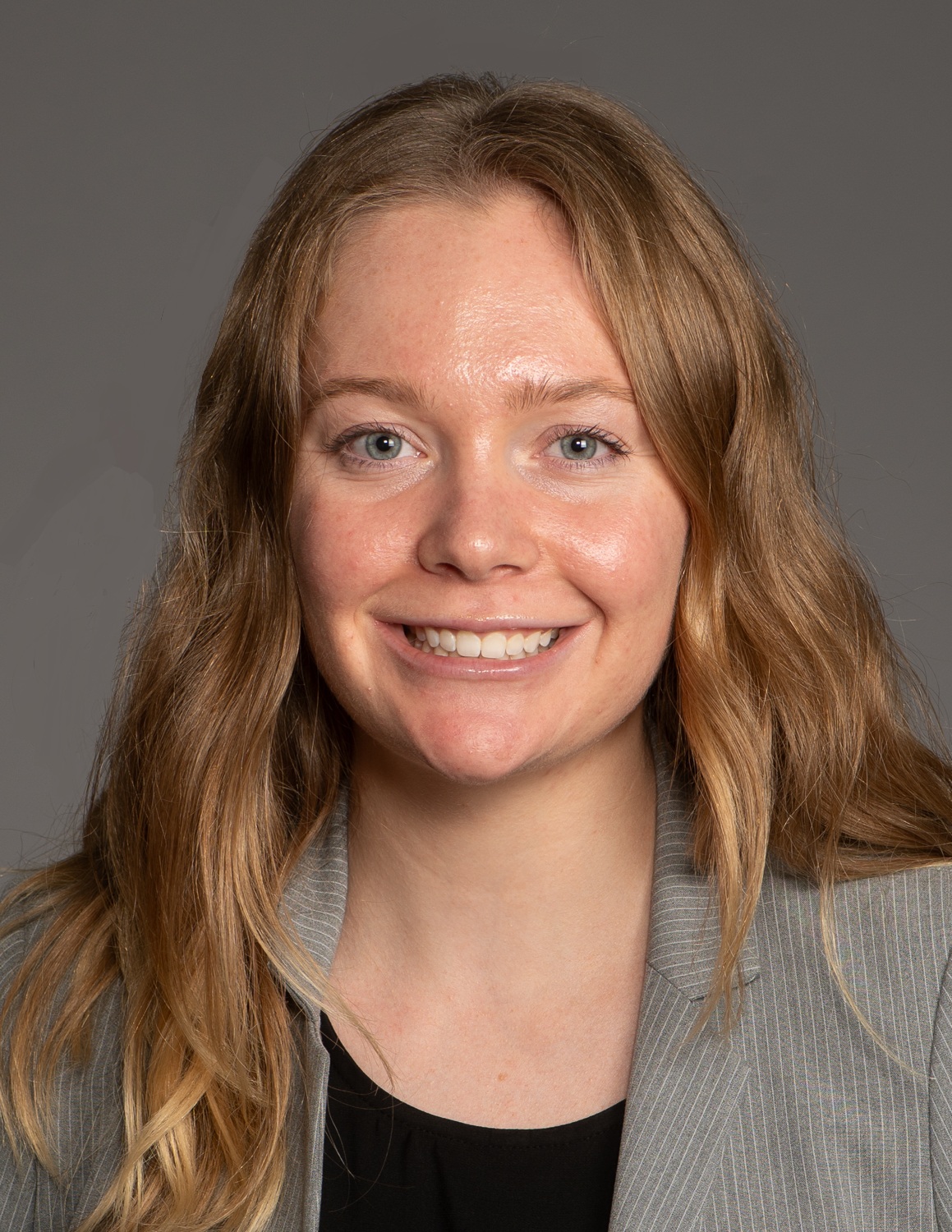
Elsa is a biomedical engineering PhD student at WFIRM. Her current research focuses on developing bioprinted renal constructs using renal-derived extracellular matrix bioinks, with the long-term goal of advancing these constructs for regulatory and patient treatment. Elsa’s broader research interests lie at the intersection of engineering and regenerative medicine, aiming to drive innovation in engineered regenerative technologies.
Olivia Latham
Graduate Instructor, Regenerative Medicine Institute
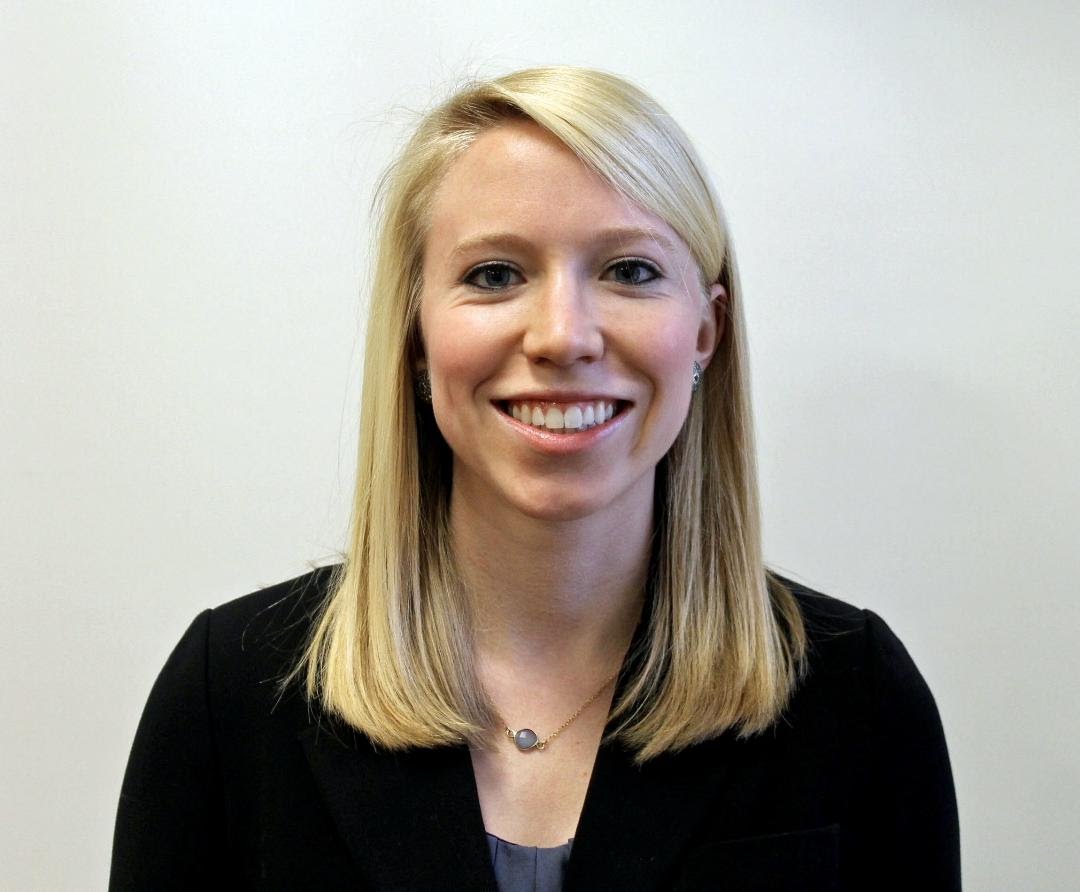
Olivia Latham is a Ph.D. student in the Maxwell Laboratory at Wake Forest Institute for Regenerative Medicine with research interests in stem cell-based therapies for congenital and acquired heart disease. She received her B.S. in Biology from Wake Forest University in 2013, and her M.S. in Cell & Molecular Biology from Tulane University in 2014. While an undergraduate at Wake Forest, she was a Student Research Assistant in the Van Dyke Laboratory (2009 – 2012) and a Summer Scholar (2011) at WFIRM. She hopes to utilize her passion for teaching and mentoring students to be a professor at a research university or academic research institution.
Dariya Lizanets Fischer
Graduate Instructor, Regenerative Medicine Institute
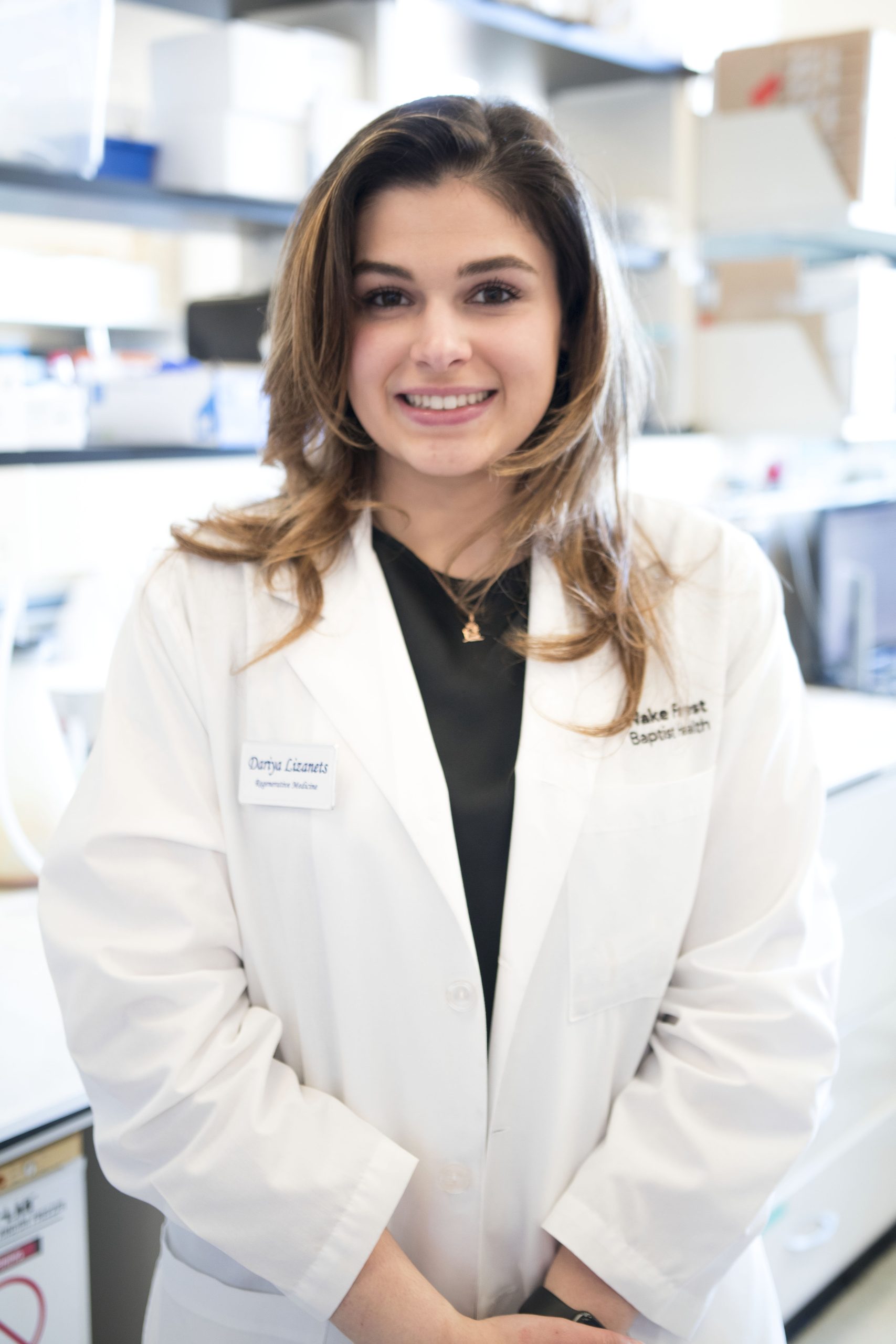
Dariya is a PhD student in Biomedical Engineering at the Wake Forest University School of Medicine. Her research focuses on developing human lung models to improve radiation therapy strategies for lung cancer treatment. Because they use primary human cells, these models more accurately represent the native lung microenvironment and can provide more accurate responses to treatment as compared to other types of models. After Dariya finishes her PhD, she wants to pursue a career that involves translating research into clinical settings.
Gemma Nomdedeu-Sancho
Graduate Instructor, Regenerative Medicine Institute
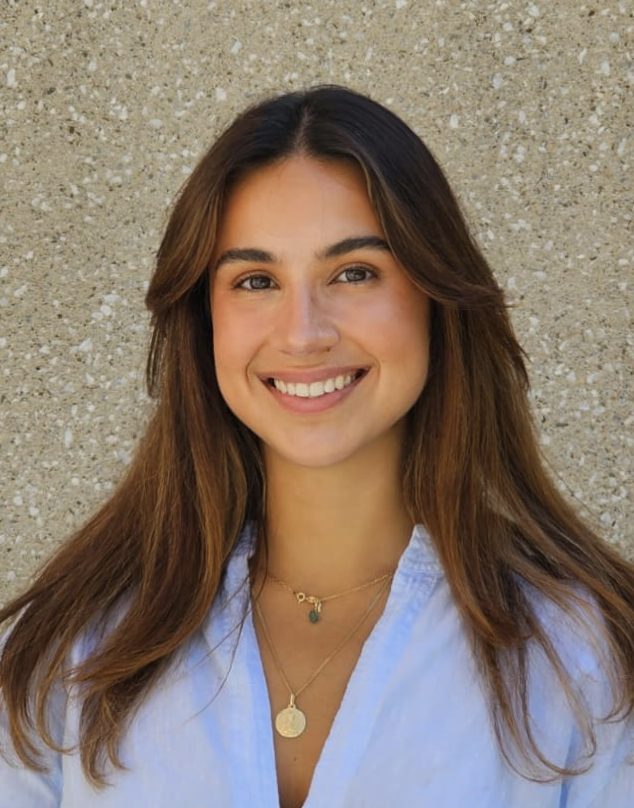
Gemma is a 4th-year Molecular Medicine and Translational Science Ph.D. candidate working at Wake Forest Institute for Regenerative Medicine (WFIRM). Her research interests include skin development, organoid models, and skin cancer biology, particularly melanoma. At WFIRM, she is developing in vitro 3D models of melanoma and its tumor microenvironment (TME) to study metastasis and discover new therapeutic avenues. She also collaborates with surgical oncologists and dermatologists to incorporate patient-derived cancer cells into these organoids, creating personalized drug-testing tools to guide patient-specific treatment decisions.