

Public Health Institute

Investigate disease outbreaks, understand public policy, and promote community wellness by learning from experts in the field of public health.
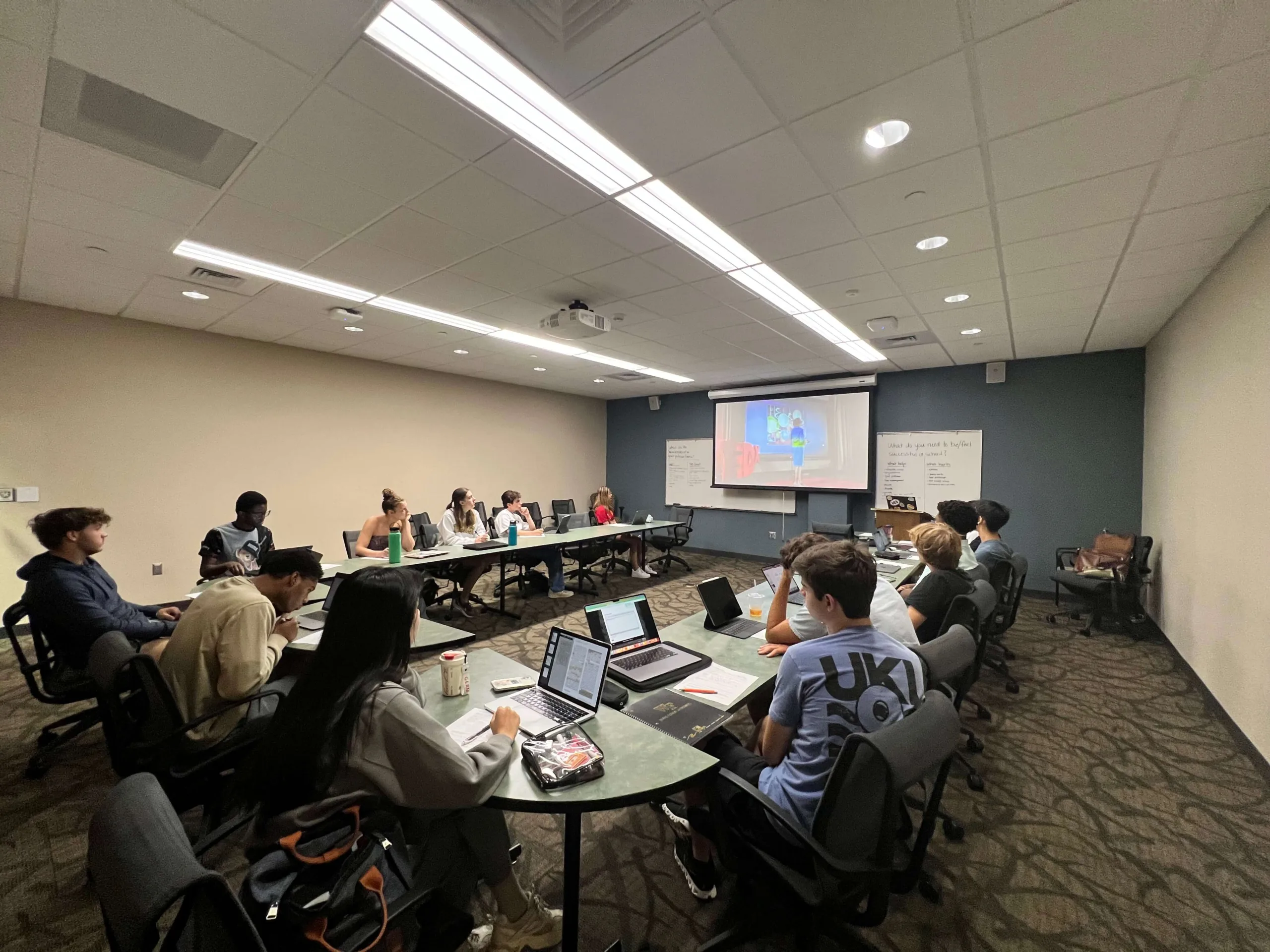
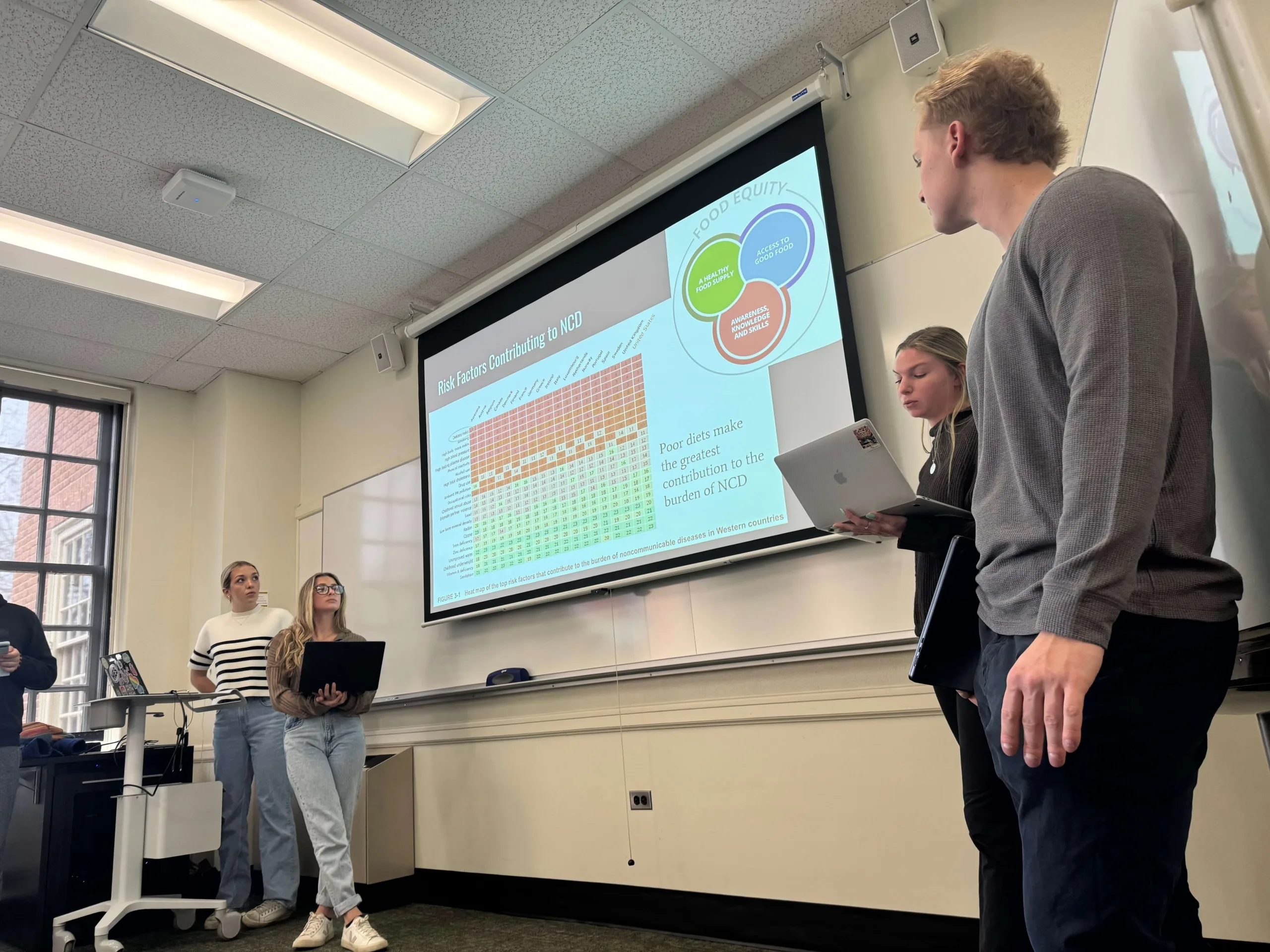
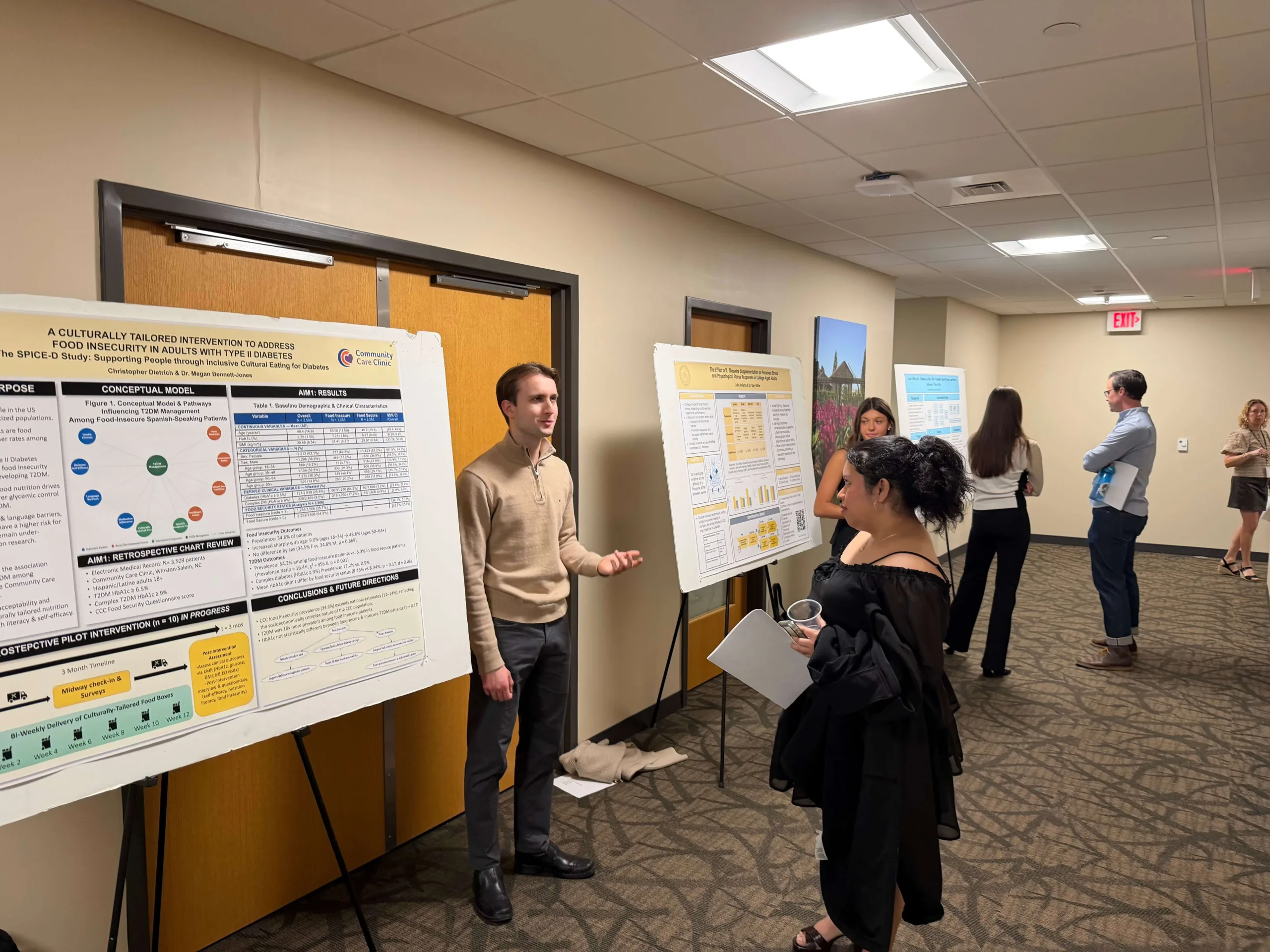
Why do some communities live longer, healthier lives than others? How do researchers track the spread of disease, and what does it take to change health outcomes for an entire population? In the Public Health Institute, students explore how health is shaped not just by doctors and hospitals, but by where we live, what we eat, how we move, and the policies that affect our daily lives. Through interactive sessions, hands-on activities, and conversations with Wake Forest faculty and public health professionals, students will dive into topics like disease prevention, health equity, physical activity and nutrition, and community health research. Students will learn how public health experts identify problems, gather data, and design programs that make a real difference, and will work together to tackle a real-world public health challenge of their own. Whether you’re interested in medicine, research, policy, or simply making your community a healthier place, the Public Health Institute offers an inside look at a field that touches every part of our lives.
At a Glance
2027 Dates: Week of July 11-16, 2027 or Week of July 18-23, 2027
Program Length: Sunday – Friday, overnight
Who Can Apply?: Current 9th – 12th grade students
Tuition: $3,500
*Tuition is subject to change per year
Location: Winston-Salem, NC – Wake Forest University Reynolda Campus
*Courses carry no secondary school or college credit. Upon completion of the program, an official Wake Forest University Certificate of Completion will be awarded to all Debate and Public Advocacy Institute participants.
What You’ll Experience
Topics Covered:
- Epidemiology
- Social Determinants of Health
- Health Equity
- Mixed-methods data Collection
- Cultural Humility and Partnering with Communities
- Physical Activity and Nutrition
- Environmental Health
- Translating and Sharing Public Health Information
- Public Health Policy and Advocacy
Hands-on Experiences:
- Outbreak investigation simulations
- Public health data analysis
- Community audits and food environment mapping
- Public health intervention design
- Health communication campaign
- Policy debate
- Site visits
- Capstone project
*Hands-on experiences are subject to change.

A Day in the Life
Typical Daily Schedule
- 8:00 am – Morning Meeting and Breakfast
- 9:00 am – Welcome from Dr. Bennett-Jones and Teaching Assistants
- 9:30 am – Introduction to Public Health
- 12:00 pm – Lunch
- 3:00 pm – Expert panel on public health careers
- 5:00 pm – Debrief of the Day
- 5:30 pm – Dinner
- 6:30 pm – Evening Activities
- 7:30 pm – Free Time
- 9:00 pm – Prepare for Bed
- 10:30 pm – Lights Out
*The “A Day in the Life” sample schedule is subject to change.

Meet the Academic Leader

Megan Bennett-Jones, Ph.D
Academic Leader, Public Health Institue
Megan Bennett-Jones, PhD, is an Assistant Professor in the Department of Health and Exercise Science at Wake Forest University, where she teaches Epidemiology and brings an intentional focus to public health and the history of health policy in the United States. Her interdisciplinary training spans exercise physiology, human development, and population science with a BS in Health and Exercise Science from Wake Forest University, an MS in Exercise Physiology from UNC Greensboro, an MS in Clinical Population and Translational Science from Wake Forest University, and a PhD in Human Development and Family Studies from UNC Greensboro. She completed postdoctoral training in Community-Engaged Research at Wake Forest School of Medicine.
For nearly 20 years, Dr. Bennett-Jones has worked to develop and implement behavioral interventions grounded in the lived experiences of patients, with a focus on managing chronic pain, reducing barriers to care, and improving quality of life among people living with chronic health conditions. Central to her work, both in and beyond the classroom, is a commitment to understanding the biopsychosocial factors that shape wellbeing, addressing the root drivers of poor health, and supporting community health through authentic partnerships.
Dr. Bennett-Jones serves as Principal Investigator or Co-Investigator on multiple ongoing NIH-funded grants addressing health challenges across diverse populations, including chronic pain, substance use disorder, brain health, aging, and cancer. Her broader research interests include Indigenous and Tribal health, community-based participatory research, maternal and infant health, and the intersection of arts and health, including the use of movement and the arts to promote physical and cognitive wellbeing.